
Best Diet and Exercise Tips for PCOD/ PMOS
You’ve been diagnosed with PCOD/PMOS. Now what? While medication helps many women, lifestyle changes are often the most powerful tool for managing symptoms. The right diet and exercise approach can regulate your periods, improve fertility, reduce weight gain, and minimize excess hair and acne—without expensive treatments. The challenge? Conflicting information about what actually works. In this practical guide, we’ll cut through the confusion and give you evidence-based strategies: which foods truly support hormonal balance, which workouts best improve insulin sensitivity, and how to build sustainable habits that last. The right PCOD/PMOS diet and exercise routine is one of the most effective ways to manage symptoms — often more so than medication alone.
What You’ll Find in This Guide
- Why Lifestyle Matters More Than You Think
- PCOD Diet and Exercise: Core Nutrition Principles
- Foods to Eat (and Embrace)
- Foods to Limit or Avoid
- Building Your PCOD Meal Plan
- Best Exercises for PCOD
- Weight Loss Strategy for PCOD
- Common Mistakes to Avoid
- Frequently Asked Questions
- Key Takeaways
- Conclusion
Why Lifestyle Matters More Than You Think
The Power of Diet and Exercise
Here’s the truth: diet and exercise changes can be as effective as medication for PCOD management. Studies show that women who lose just 5-10% of body weight through healthy eating and exercise experience:
- Restored regular periods
- Improved ovulation and fertility
- Reduced androgen levels (less excess hair and acne)
- Lower insulin levels
- Improved energy and mood
- Better long-term health outcomes
That’s life-changing without a single medication. The reason? PCOD fundamentally involves insulin resistance. Address that, and symptoms improve.
Why Standard Diets Fail
Most popular diets don’t work for PCOD because they don’t address insulin resistance. Low-fat diets high in refined carbs actually worsen insulin resistance. Extreme calorie restriction triggers metabolic adaptation and slows weight loss. The solution? A diet specifically designed to improve insulin sensitivity.
PCOD Diet and Exercise: Core Nutrition Principles
Priority #1: Reduce Refined Carbohydrates
Refined carbs—white bread, pasta, rice, sugary foods—spike blood sugar rapidly, causing your pancreas to produce excess insulin. For someone with insulin resistance, this is particularly problematic. Instead:
- Choose whole grains: brown rice, quinoa, oats, whole wheat bread
- Eat starchy vegetables: sweet potatoes, legumes (beans, lentils)
- Limit portion sizes of any carbohydrate
- Pair carbs with protein and healthy fat to slow absorption
Priority #2: Prioritize Protein
Protein keeps you satisfied longer, doesn’t spike blood sugar, and supports muscle maintenance during weight loss. Aim for protein at every meal:
- Lean meats: chicken, turkey, fish
- Plant proteins: beans, lentils, tofu, tempeh
- Dairy: Greek yogurt, cottage cheese (if tolerated)
- Eggs: excellent, affordable protein
- Nuts and seeds: protein plus healthy fats
Priority #3: Include Healthy Fats
Despite old anti-fat messaging, healthy fats are crucial for hormonal health and help control blood sugar:
- Olive oil
- Avocados
- Nuts and seeds: almonds, walnuts, chia, flax
- Fatty fish: salmon, sardines, mackerel (omega-3s reduce inflammation)
- Coconut oil in moderation
Priority #4: Focus on Whole Foods
Processed foods often contain hidden sugars, refined grains, and inflammatory oils. Whole foods—vegetables, fruits, legumes, nuts, quality proteins—are naturally anti-inflammatory and nutrient-dense:
- Fill half your plate with non-starchy vegetables
- Choose fresh fruit over juice
- Cook from scratch when possible
- Read labels on packaged foods
Priority #5: Reduce Inflammation
Chronic inflammation worsens PCOD. Certain foods actively reduce inflammation:
- Fatty fish rich in omega-3s: salmon, sardines, mackerel
- Berries: blueberries, strawberries (antioxidant-rich)
- Leafy greens: spinach, kale (anti-inflammatory)
- Turmeric and ginger: potent anti-inflammatory spices
- Green tea: reduces inflammation and supports metabolism
Foods to Eat (and Embrace)
Proteins to Prioritize
Opt for quality proteins: grilled chicken breast, baked fish, lean ground turkey, eggs, Greek yogurt, cottage cheese, lentils, chickpeas, black beans, tofu, and tempeh. These are nutritious, satisfying, and support stable blood sugar.
Vegetables (Eat Plenty)
Non-starchy vegetables should dominate your plate: spinach, kale, broccoli, cauliflower, Brussels sprouts, bell peppers, zucchini, cucumber, tomatoes, mushrooms, onions, and garlic. Aim for variety and color—different colors provide different nutrients.
Fruits (In Moderation)
Despite sugar content, whole fruits are nutritious and high in fiber, which slows sugar absorption. Berries are ideal (lower sugar, high antioxidants): blueberries, strawberries, raspberries, blackberries. Apples, pears, and citrus are good options. Limit dried fruits and juices, which spike blood sugar.
Healthy Fats
Embrace these fat sources: olive oil, avocados, nuts (almonds, walnuts), seeds (chia, flax, pumpkin), fatty fish, and eggs. These support hormone production, reduce inflammation, and keep you satisfied.
Grains and Carbs (Choose Wisely)
When eating grains and starchy foods, choose whole versions: brown rice, quinoa, oats, barley, whole wheat bread, and sweet potatoes. Control portions—use your fist as a serving size guide.
Foods to Limit or Avoid
The Main Culprits
Refined carbohydrates: white bread, pasta, rice, sugary cereals, and pastries spike blood sugar dramatically in insulin-resistant bodies.
Sugary drinks: soda, juice, sweetened coffee drinks, and sports drinks cause rapid blood sugar spikes with no nutritional benefit.
Ultra-processed foods: packaged snacks, fast food, and instant meals typically contain refined grains, added sugars, and inflammatory oils.
Excess sugar: obvious sources (candy, desserts) and hidden sources (ketchup, flavored yogurt, granola). Read labels carefully.
Vegetable oils: refined soybean, corn, and canola oils are high in omega-6, promoting inflammation. Use olive oil or coconut oil instead.
Potential Problem Foods
Some women with PCOD benefit from reducing dairy, as it may increase insulin levels. If bloating or acne worsens with dairy, try eliminating it for 4 weeks to see if you notice improvement. Others find that nightshade vegetables (tomatoes, peppers, eggplant) worsen inflammation—experiment to see what works for your body.
Building Your PCOD Meal Plan
Breakfast Examples
Option 1: Vegetable omelet (3 eggs) with spinach, mushrooms, peppers, plus whole grain toast and berries.
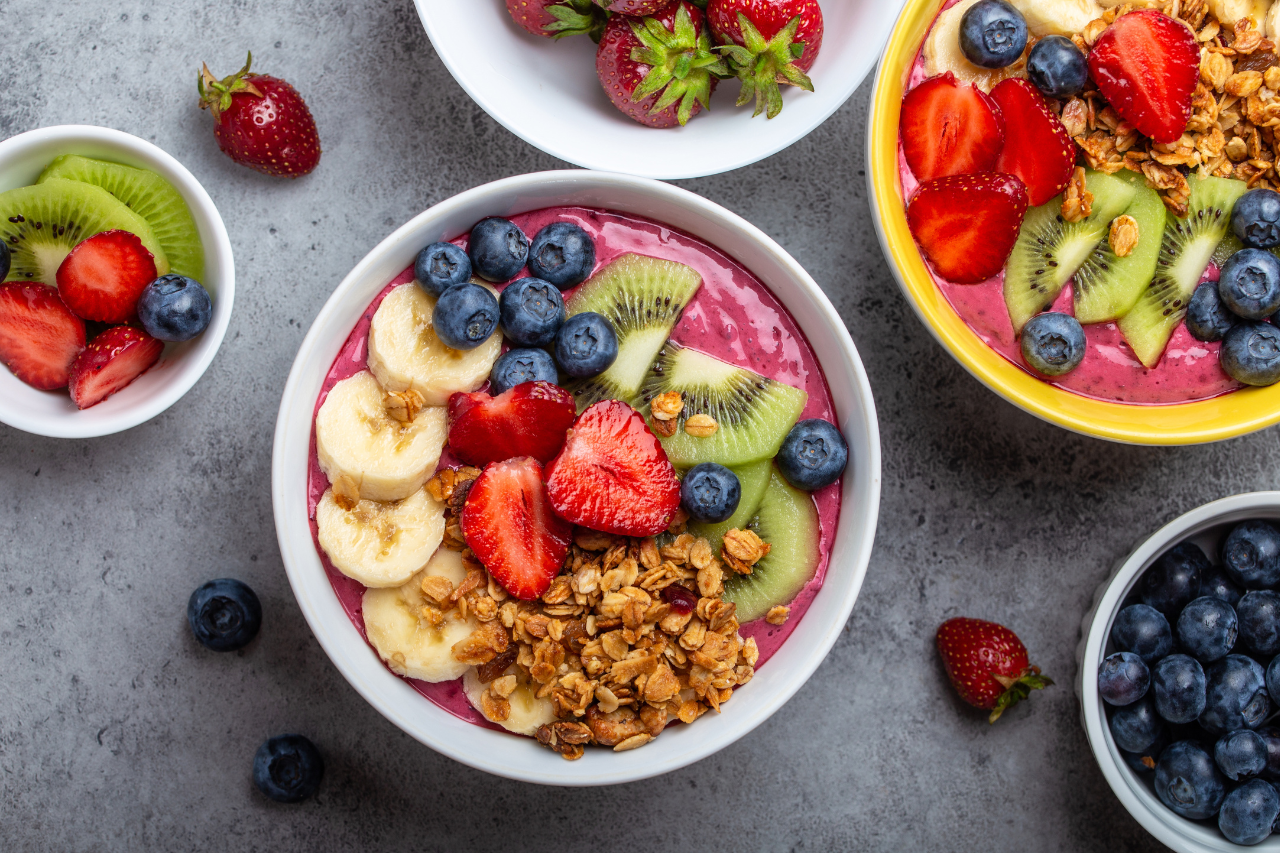
Option 2: Greek yogurt bowl with almonds, chia seeds, berries, and cinnamon.
Option 3: Oatmeal made with steel-cut oats (not instant), topped with walnuts, flax seeds, and blueberries.
Each option provides protein, fiber, and healthy fats to stabilize blood sugar morning through noon.
Lunch Examples
Option 1: Grilled chicken breast with roasted broccoli, cauliflower, and olive oil, plus a side salad.
Option 2: Lentil soup packed with vegetables, olive oil drizzle, and whole grain bread.
Option 3: Baked salmon with sweet potato and steamed Brussels sprouts with garlic.
Dinner Examples
Option 1: Turkey meatballs with whole wheat pasta and homemade tomato sauce loaded with vegetables.
Option 2: Stir-fried tofu with mixed vegetables (peppers, broccoli, snap peas) and brown rice.
Option 3: Lean beef with roasted vegetables (zucchini, bell peppers, onions) and cauliflower rice.
Snack Ideas
Nuts and seeds, fruit with nut butter, Greek yogurt, vegetable sticks with hummus, hard-boiled eggs, cheese (if tolerated), and homemade trail mix without added sugar.
Best Exercises for PCOD
Why Exercise Type Matters
Not all exercise is equal for PCOD. While any movement helps, certain activities particularly improve insulin sensitivity. A combination of aerobic exercise and strength training works best.
Aerobic Exercise for PCOD
Brisk walking, cycling, swimming, dancing, and elliptical training all improve insulin sensitivity. Aim for 150 minutes of moderate aerobic exercise weekly. The key: consistency matters more than intensity. A daily 30-minute walk is better than sporadic intense workouts. Aerobic exercise burns calories, improves cardiovascular health, and directly reduces insulin levels.
Strength Training: The Hidden Gem
Strength training is surprisingly powerful for PCOD because muscle tissue is very insulin-sensitive. Building muscle improves insulin utilization significantly. Include resistance training 2-3 days per week, focusing on major muscle groups (chest, back, legs, shoulders).
Examples:
- Bodyweight exercises: pushups, squats, lunges, planks
- Dumbbells: bicep curls, shoulder presses, rows
- Resistance bands: affordable, versatile, joint-friendly
- Machines at the gym: leg press, chest press, rowing machine
- Bodyweight circuits: combining movements into flowing sequences
Strength training doesn’t need to be intense. Moderate weights with controlled movements, 8-12 repetitions per exercise, work excellently.
High-Intensity Interval Training (HIIT)
Short bursts of intense effort followed by recovery periods provide excellent results in limited time. HIIT improves insulin sensitivity more effectively than steady-state cardio. A sample HIIT session: 30 seconds of hard effort (sprinting, jumping jacks, burpees) followed by 30 seconds of recovery, repeated 10-15 times.
Flexibility and Mind-Body Work
Yoga and Pilates build strength, improve flexibility, and manage stress—all beneficial for PCOD. Chronic stress worsens insulin resistance; yoga reduces this stress. A 20-30 minute yoga session several times weekly complements cardio and strength work.
Putting It Together
An ideal PCOD exercise week:
- Monday: 30-min brisk walk or cycling
- Tuesday: Strength training (20-30 min)
- Wednesday: 30-min yoga or flexibility work
- Thursday: 30-min walk or elliptical
- Friday: Strength training (20-30 min)
- Saturday: 45-min outdoor activity or HIIT workout
- Sunday: Rest or gentle stretching
This provides both cardiovascular and strength benefits with built-in recovery. Adjust based on your current fitness level—beginners might do 20 minutes; advanced exercisers might do 45 minutes.
Weight Loss Strategy for PCOD
Setting Realistic Goals
Aim for steady weight loss of 1-2 pounds per week. Faster weight loss often indicates muscle loss and isn’t sustainable. Even 5% weight loss significantly improves PCOD symptoms. For someone at 200 pounds, that’s just 10 pounds—very achievable.
The Calorie-Deficit Approach
Weight loss requires consuming fewer calories than you burn. However, extreme restriction worsens metabolic rate. A moderate deficit of 300-500 calories daily works well. Calculate your baseline needs and reduce by 300-500 calories through diet and exercise combined. If you are unsure what a safe target looks like for you, check with a dietitian or your doctor rather than guessing.
Tracking Progress Beyond the Scale
Weight fluctuates daily based on water, hormones, and digestion. Don’t obsess over the scale. Track progress through:
- How clothes fit
- Energy levels
- Menstrual regularity
- Reduction in acne or excess hair
- Photos taken monthly
- Body measurements (waist, hips, chest)
- Strength gains (lifting heavier weights)
These non-scale victories often appear before weight loss and are more motivating.
Common Mistakes to Avoid
Mistake #1: Extreme Calorie Restriction
Very low-calorie diets backfire for PCOD. They slow metabolism, trigger intense hunger, cause muscle loss, and typically don’t last long. Moderate, sustainable eating is far superior.
Mistake #2: Avoiding All Carbs
Zero-carb diets aren’t necessary or healthy. PCOD requires smart carb choices, not carb elimination. Whole grains, legumes, and vegetables are nutritious and supportive.
Mistake #3: Skipping Strength Training
Many women focus solely on cardio. This is a missed opportunity. Strength training is particularly powerful for insulin resistance and should be prioritized equally.
Mistake #4: Being Inconsistent
Starting intensely, then stopping after two weeks, then restarting creates yo-yo cycles that worsen metabolic health. Consistency beats intensity. A moderate program you’ll maintain long-term wins every time.
Mistake #5: Perfectionism
One cheat meal doesn’t undo progress. One missed workout doesn’t derail you. Focus on 80% consistency; perfectionism guarantees burnout.
Frequently Asked Questions
How long before I see results?
Energy and mood improvements appear within 2-3 weeks. Menstrual regularity often improves within 2-3 months. Weight loss and acne improvement take 8-12 weeks of consistency.
Do I need to count calories?
Not necessarily. Eating whole foods naturally controls calories because these foods are more filling than processed foods. Some women benefit from tracking initially to understand portion sizes, then eating intuitively afterward.
Is the PCOD diet the same for everyone?
Broadly, yes—low refined carbs, adequate protein, healthy fats, whole foods. However, individual triggers vary. Keep a food journal; note which foods worsen symptoms. Some women benefit from dairy avoidance; others tolerate it fine.
Can I cheat occasionally?
Yes. Occasional treats within an otherwise healthy pattern won’t derail progress. The 80/20 rule—eating well 80% of the time, relaxing 20%—works for most people.
How soon can I stop exercising if weight loss is happening?
Don’t. Exercise benefits extend far beyond weight loss: improved insulin sensitivity, better mood, hormone regulation, cardiovascular health. Continue indefinitely.
Should I avoid eating after 6 PM?
The timing of eating is less important than total intake. Eating well-balanced meals whenever works for your schedule is fine. Some women find eating too close to bedtime disrupts sleep; experiment and adjust.
Do I need to buy special PCOD foods?
No. Regular whole foods—chicken, eggs, vegetables, legumes, nuts, olive oil—are inexpensive and excellent for PCOD. You don’t need expensive PCOD-specific products.
What if weight loss stalls?
Plateaus are normal and temporary. First, ensure you’re actually in a calorie deficit. Then, vary your exercise routine, adjust calories slightly, or investigate potential issues (insufficient sleep, high stress, medical conditions). Usually, patience pays—after 4-6 weeks, loss resumes.
Key Takeaways
- Diet and exercise changes are as effective as medication for PCOD management.
- A PCOD-friendly diet prioritizes whole foods, reduces refined carbs, includes adequate protein, and emphasizes healthy fats.
- Strength training is particularly valuable for PCOD because muscle is very insulin-sensitive.
- A combination of aerobic exercise (150 min weekly) and strength training (2-3 days weekly) provides best results.
- Even 5-10% weight loss significantly improves PCOD symptoms and fertility.
- Consistency beats intensity; a sustainable moderate program outperforms sporadic intense efforts.
- Non-scale victories (energy, menstrual regularity, acne improvement) often appear before weight loss.
- Individual foods trigger different responses; experiment and note what works for your body.
Conclusion
Managing PCOD through diet and exercise is entirely within your control. You don’t need expensive supplements, complicated meal plans, or gym memberships—just whole foods you can find at any grocery store and movement you enjoy. Start with small changes: add one vegetable to your dinner, take one 20-minute walk, reduce sugary drinks. Build from there. In 12 weeks, you’ll experience noticeably improved energy, clearer skin, more regular periods, and lost weight. In six months, PCOD symptoms may be dramatically reduced. The powerful truth? This isn’t about perfection. It’s about consistent, sustainable choices. Every healthy meal, every workout, every good night’s sleep is a vote for your health. These votes accumulate. They transform your life.
Related Reading
- What Is PCOD? Everything You Need to Know
- How Much Exercise Do You Really Need Each Week?
- Membership Plans
Take the Next Step
You do not have to figure this out alone. At Amit Saha Fitness, we build personalised training and nutrition plans around your body, your schedule and your goals — whether you are just starting out or working through a specific health condition.
This article is for general information only and is not a substitute for personalised medical advice. Always consult a qualified healthcare professional about your own situation.